
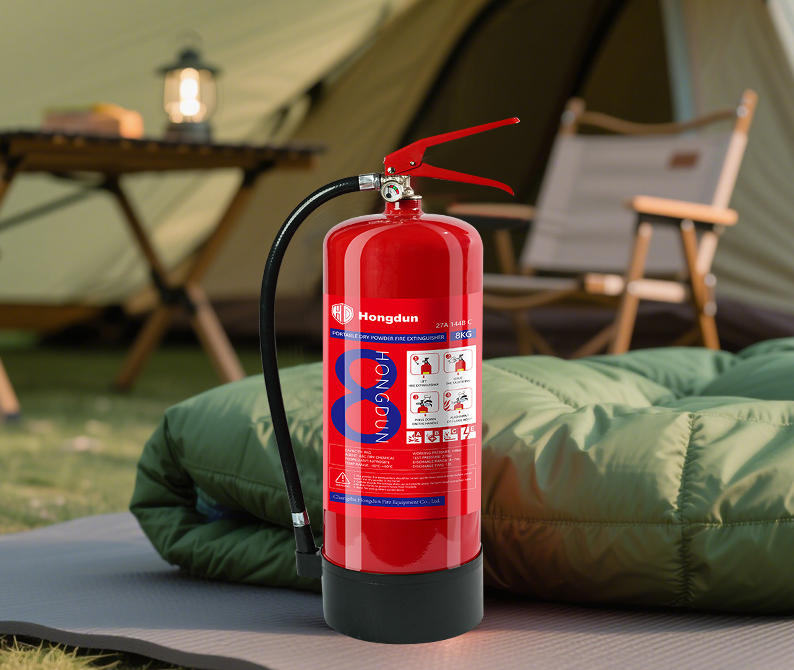
How Long Do Fire Extinguishers Last? A Guide to Maintenance and Replacement
The lifespan of a fire extinguisher depends on its type, manufacturer's specifications, and maintenance frequency. Most modern extinguishers have a lifespan of 5 to 10 years from the date of manufacture.
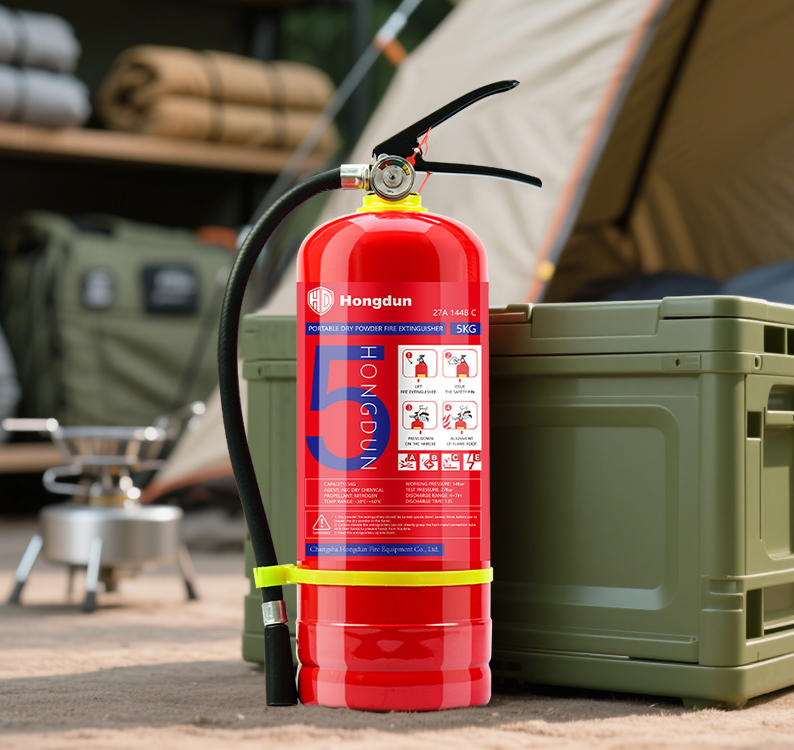
What is an ABC fire extinguisher? When should I use one?
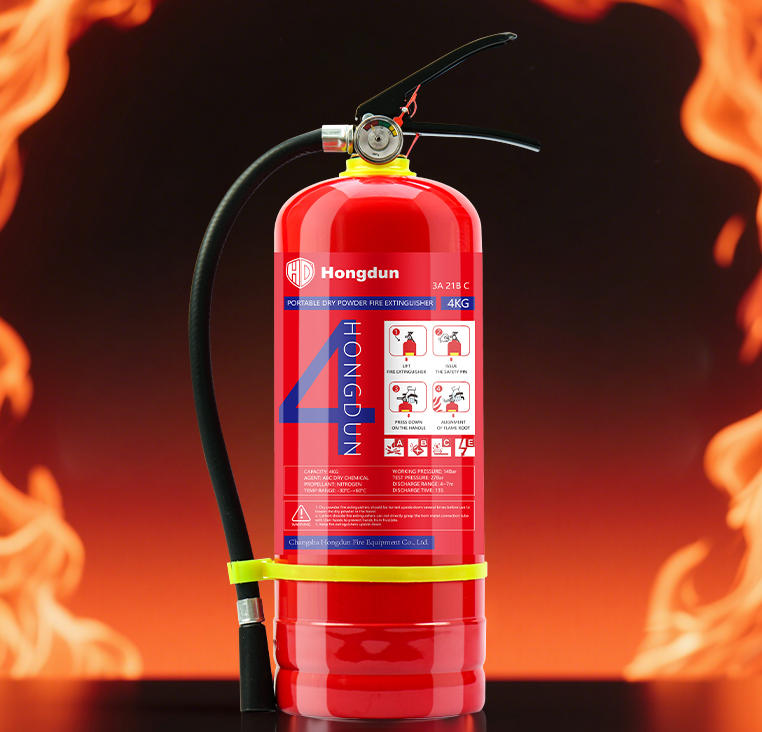
How to Choose and Use a Car Fire Extinguisher?
Car fires can spread quickly, making a reliable fire extinguisher essential safety equipment for any vehicle. However, not all fire extinguishers are suitable for cars. Knowing how to choose the right fire extinguisher and how to use it correctly can
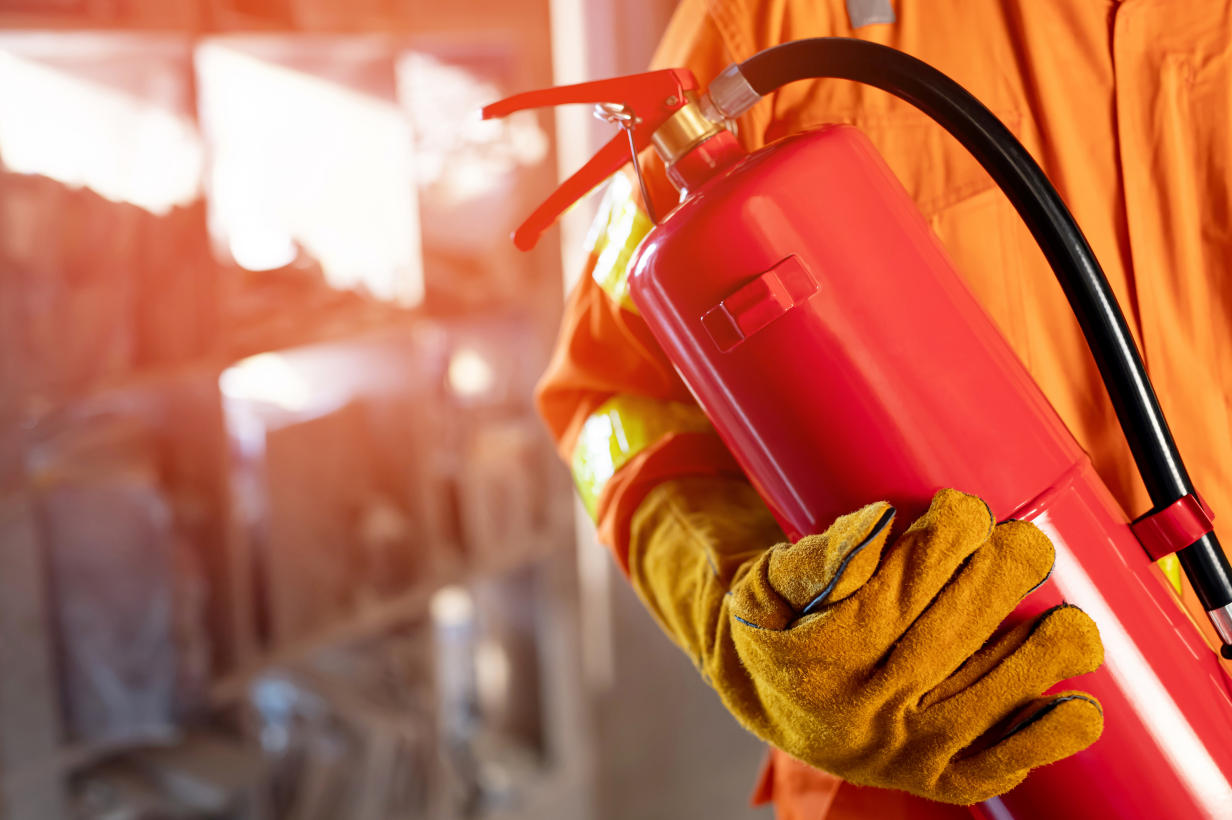
What is a Class K Fire Extinguisher? Essential Protection for Commercial Kitchens
Class K fire extinguishers are specifically designed to handle the most challenging type of fire in domestic and commercial kitchens: those caused by cooking oils, fats, and grease. These fires have characteristics that differ from other liquid fires
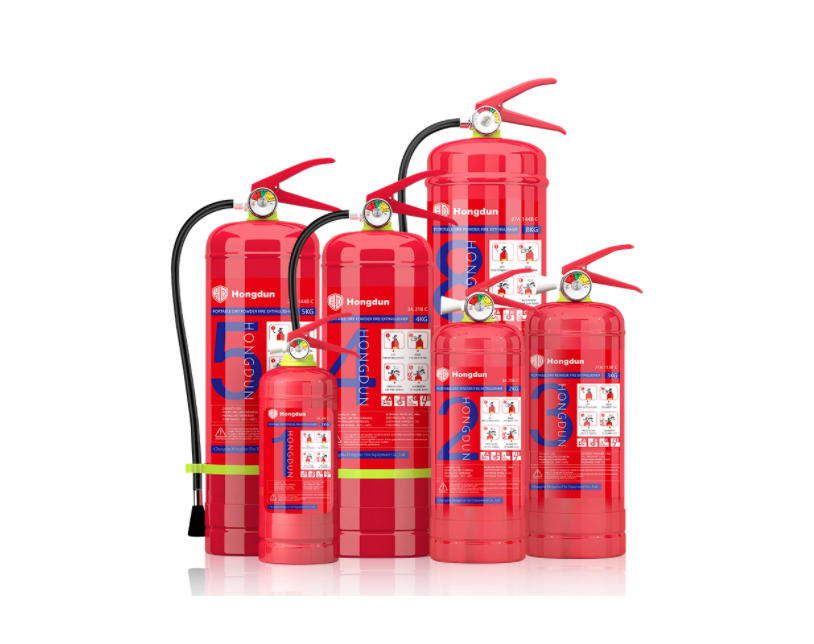
Different Types of Fire Extinguishers and Their Uses
Fire extinguishers are a key line of defense in the early stages of a fire, but choosing the wrong type can backfire. Understanding the principles and intended uses of different fire extinguishers is crucial.
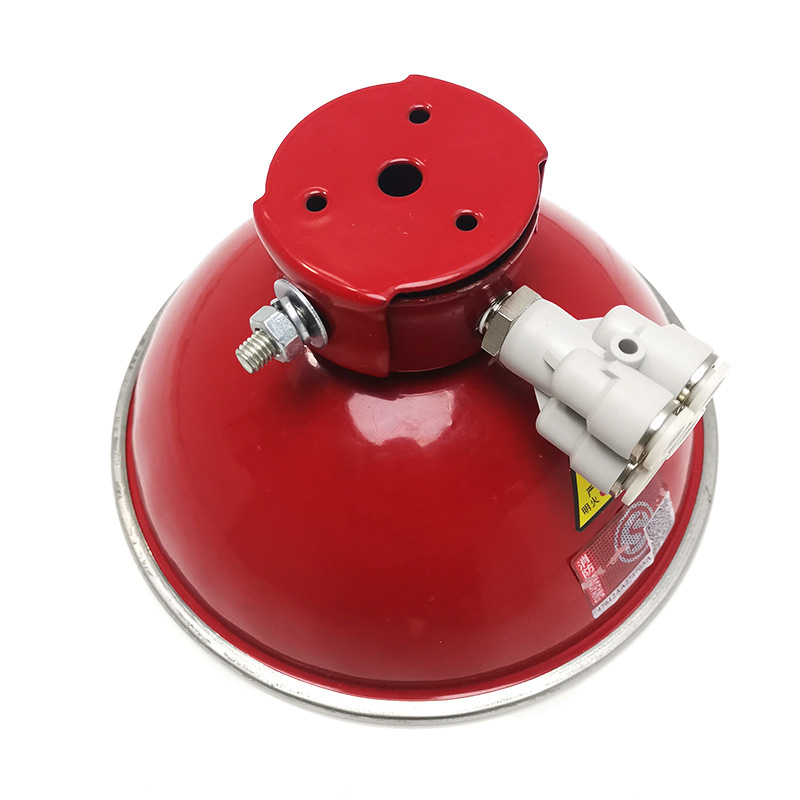
Auto Fire Extinguishers: Unattended Protection When Seconds Count
Fires can ignite and spread rapidly without human intervention. Standard portable fire extinguishers require manual operation, leaving unattended spaces or equipment unprotected. Automatic fire extinguishers (also known as self-trigger or self-activa
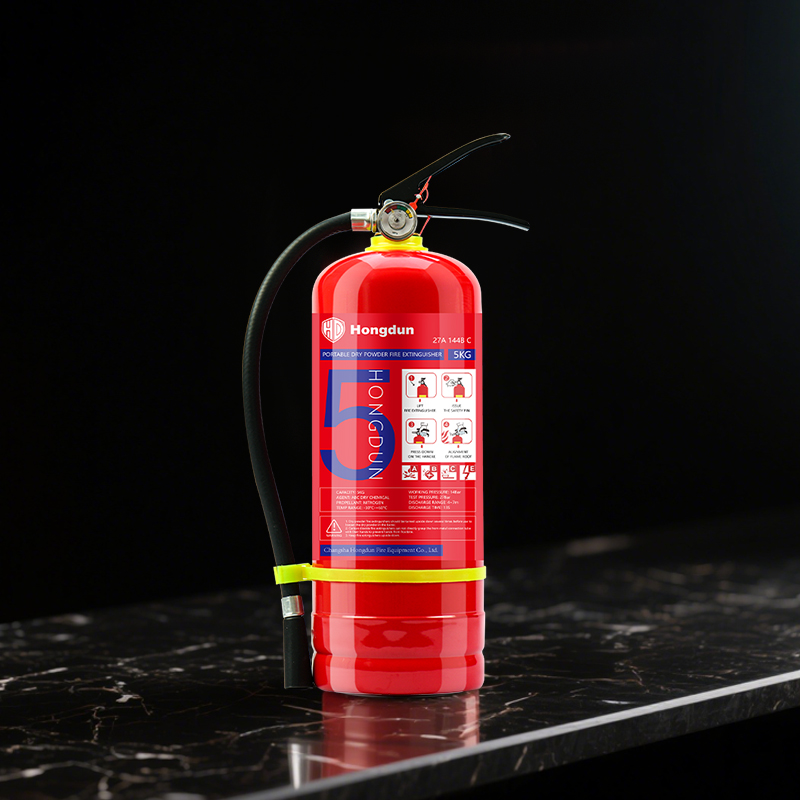
Hat is a Class B Fire Extinguisher? How to Choose and Use It Safely
Class B fire extinguishers are designed to extinguish fires caused by flammable liquids and gases, such as gasoline, oil, grease, propane, and alcohol.
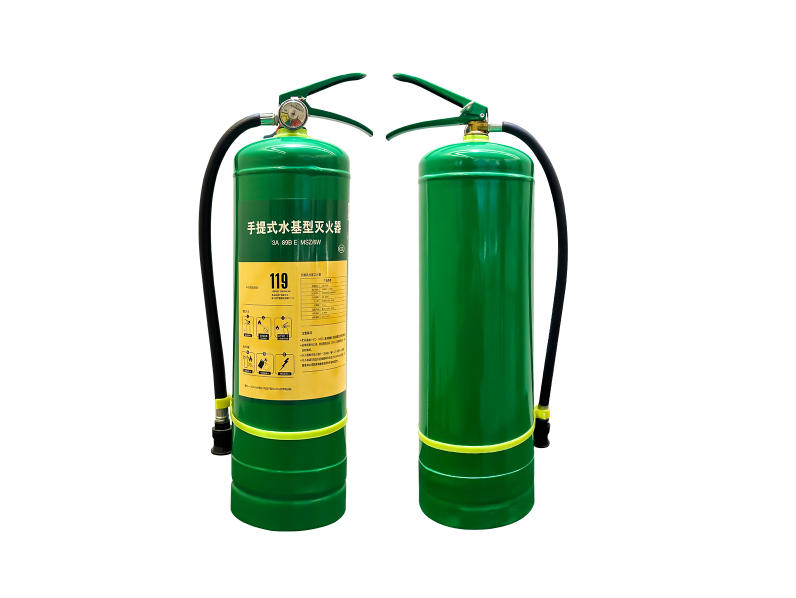
What is a Class A Fire Extinguisher Used For?
Class A fire extinguishers are common in homes, offices, and public spaces, but understanding their specific uses is crucial for effective use.
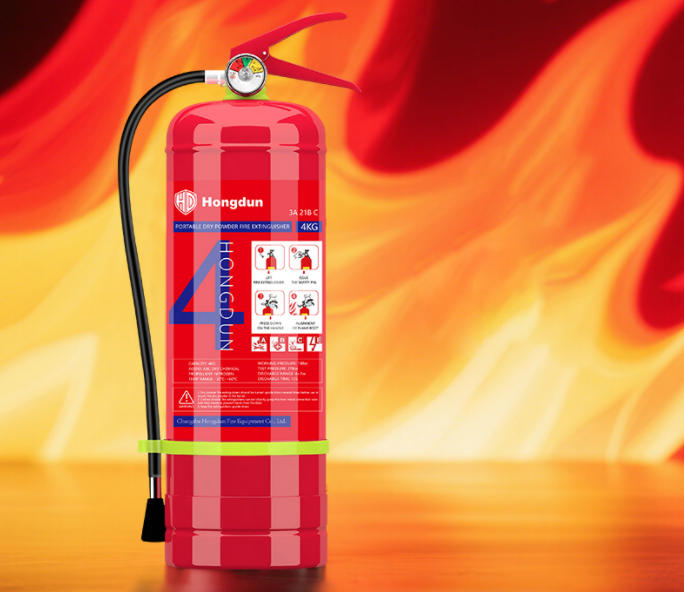
Dry Powder vs CO₂ Fire Extinguishers: What’s the Difference?
Choosing the right extinguisher isn’t just about fire type — it's also about environment and aftermath. If you're protecting electronics, prioritize CO₂. For general-purpose or outdoor fire protection, dry powder remains a solid choice.