
How to Choose and Use a Car Fire Extinguisher?
Car fires can spread quickly, making a reliable fire extinguisher essential safety equipment for any vehicle. However, not all fire extinguishers are suitable for cars. Knowing how to choose the right fire extinguisher and how to use it correctly can save your car in a critical moment. Here's what you need to know.
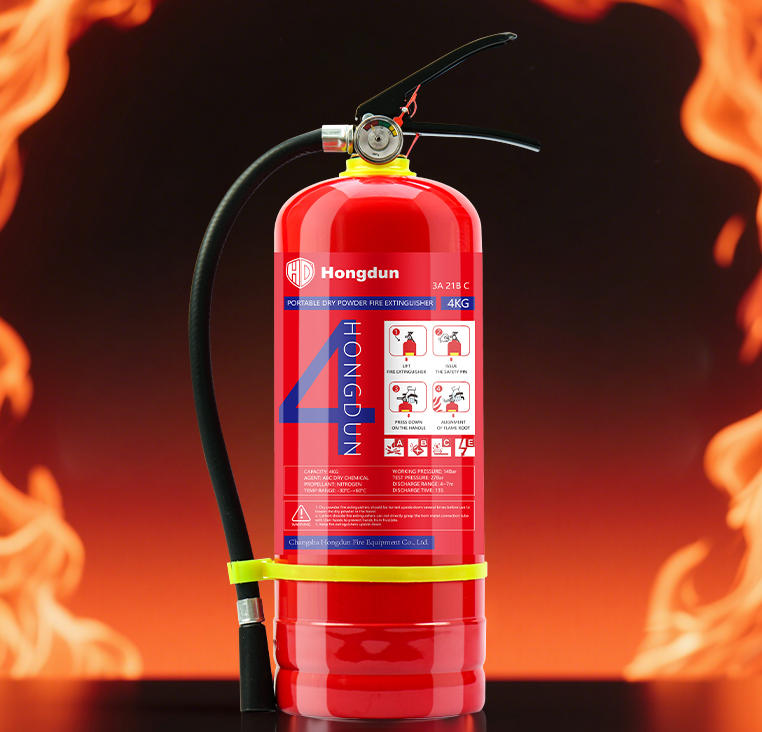
How to Choose the Right Car Fire Extinguisher
The first step is to choose a fire extinguisher designed for the specific risks facing your vehicle. There are two main types of fires facing cars: electrical fires (from wiring or batteries) and flammable liquid fires (from gasoline, engine oil, or transmission fluid). This makes a multi-class BC or ABC fire extinguisher the best choice. BC fires can handle both electrical and liquid fires, while ABC fires can also handle fires involving solid materials (such as seat covers or carpets), offering a wider range of applications. If your car is a new energy electric vehicle, a dedicated lithium battery fire extinguisher will be necessary to meet your needs.
Size is important for both effectiveness and storage. A 1-2 kg fire extinguisher is ideal; it's lightweight and easy to handle in an emergency, while still having enough capacity to handle small to medium-sized car fires. Larger models (4 kg and above) are too bulky for most vehicles, taking up valuable space and are only suitable for large commercial vehicles.
Select compact, durable fire extinguishers. They should fit easily under seats, in the trunk, or in door compartments and not roll away. They should have a mounting bracket to prevent the extinguisher from moving while driving. Avoid using water-based extinguishers, which are ineffective against electrical or liquid fires and may damage vehicle components.
When to Use a Car Fire Extinguisher
Not all car fires require a fire extinguisher. If the fire is large (for example, the entire engine compartment is ablaze) or spreading rapidly, evacuate first. Call emergency services and retreat at least 50 meters to avoid the risk of an exploding fuel tank or battery.
A fire extinguisher is most effective only on small, controlled fires, such as:
Sparks from wiring or burning fuses in the dashboard.
A fire caused by a small oil leak in the engine compartment.
Smoldering seats or carpeting caused by a lit cigarette or electrical short. Correct Use
Stop safely: Pull the vehicle into an open area away from buildings, other vehicles, or dry vegetation. Turn off the engine and apply the parking brake.
Get the fire extinguisher: Quickly retrieve the fire extinguisher and pull the safety pin.
Determine the location of the fire: For an engine compartment fire, do not fully open the hood, as this will provide oxygen to the fire. A slight opening is sufficient for spraying. For an interior fire, partially open a door to restrict the flow of oxygen.
Check for re-ignition: After the fire is extinguished, observe the area for one or two minutes. If smoke or flames reappear, repeat the procedure; if the fire grows, evacuate.
Post-use procedures
After the fire is completely extinguished, do not attempt to drive the vehicle. Even a small fire can damage wiring or fuel lines, creating new hazards. Call a tow truck to take the vehicle to a repair shop to inspect for hidden damage. Immediately replace any used fire extinguishers to ensure a fully charged extinguisher is available for future trips.
Choosing the right fire extinguisher can add important safety features to your driving. A small, properly fitted fire extinguisher is a low-cost investment that could save your vehicle, or even your life, in an emergency.


Contact Us
If you have any questions about this Privacy Policy or our practices, please contact us:
Mobile: +86 13975129722
Email: robin@hongdunfire.com
Address: Room 29005, Wanda Building A, Changsha, Hunan, China
Related News
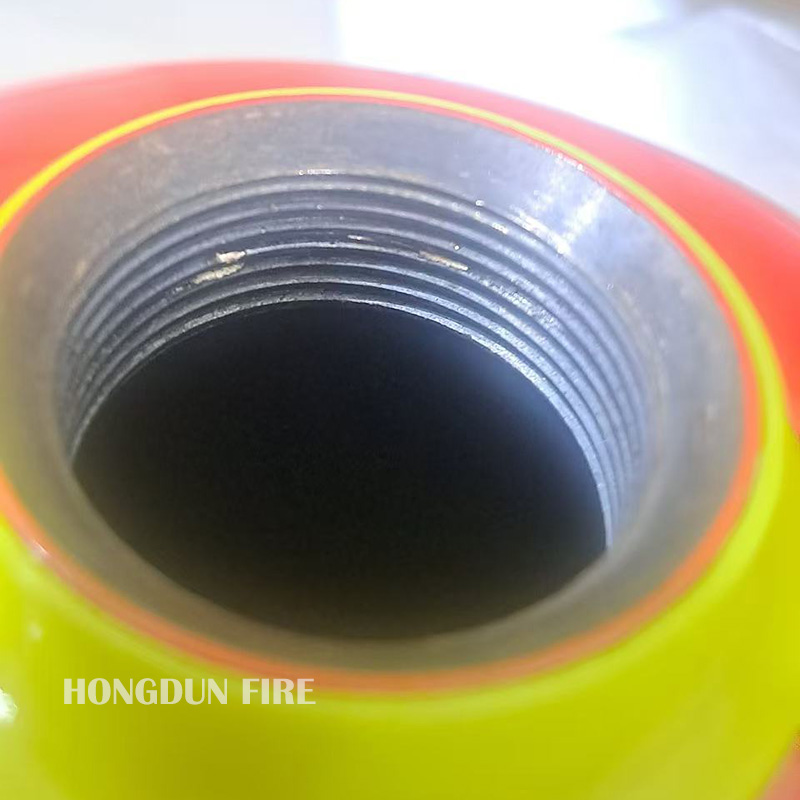
How to Distinguish Manufacturing Defects from Improper Valve Handling
Learn how to identify the real causes of fire extinguisher cylinder neck thread damage. Discover the differences between manufacturing defects, machining issues, transportation factors, and improper valve installation or removal. Includes expert insp

EN3-Certified Fire Extinguishers: Safety Assurance and Technical Analysis Under European Standards
EN3-certified fire extinguishers are at the core of European fire safety standards. This article details the standard system, performance requirements, applicable scenarios, and market value, helping to ensure safety and compliance.

What is the optimal size for a vehicle fire extinguisher?
This article primarily highlights the importance of vehicle fire extinguishers and provides size recommendations for different vehicle models, helping readers better select the appropriate size of car fire extinguisher.

Gas Fire Extinguishers Explained: Principles, Types, and Application Scenarios
Gas fire extinguishers play a key role in data centers, laboratories, power facilities, and other scenarios. This article explains their principles, types, application cases, and selection recommendations.