
What is a Class K Fire Extinguisher? Essential Protection for Commercial Kitchens
Class K fire extinguishers are specifically designed to handle the most challenging type of fire in domestic and commercial kitchens: those caused by cooking oils, fats, and grease. These fires have characteristics that differ from other liquid fires, and using the wrong extinguisher can exacerbate the fire. This necessitates specialized extinguishers specifically designed for grease fires, hence the Class K design.
First, it's important to understand why standard fire extinguishers are ineffective in this situation. Cooking oils and fats, such as vegetable oil, lard, or butter, burn at extremely high temperatures—often exceeding 370°C. Water-based extinguishers, such as many Class A extinguishers, cause these hot liquids to splash, spreading the fire. Even Class B extinguishers, designed for gasoline or paint fires, are not designed to handle the viscous nature of cooking grease.
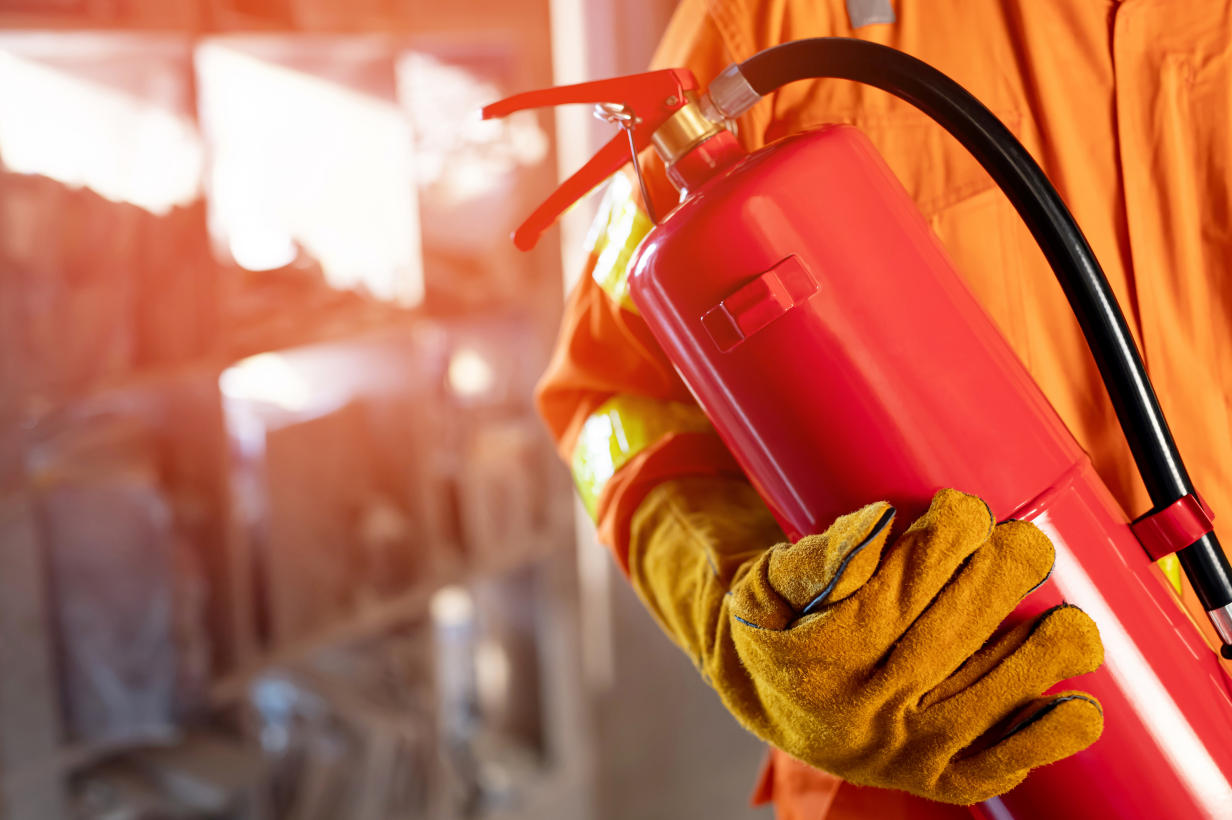
Class K extinguishers address this problem with a unique wet chemical extinguishing agent. This agent reacts with hot grease to form a soapy foam layer (a process called saponification), sealing the liquid's surface. This foam suffocates the flames by blocking out oxygen and cools the grease below its ignition point, preventing it from reigniting. Unlike other fire extinguishing agents, it is specifically designed to handle the extreme heat of grease fires and will not spatter or become ineffective.
This type of fire extinguisher is essential in any kitchen where extensive cooking with grease is used. Commercial establishments such as restaurants, cafeterias, and catering kitchens are prime examples, as they frequently use deep fryers or large pans for deep frying. Home kitchens that frequently deep-fry turkey, French fries, or donuts require a Class K fire extinguisher for safety, especially when cooking involves large amounts of grease that cannot be easily smothered with a lid.
Similarly, Class K fire extinguishers have their limitations because they are not designed for other types of fires. They are ineffective against wood or paper fires (Class A), gasoline or paint fires (Class B), and electrical fires (Class C). Using them for anything other than kitchen grease fires wastes their designated extinguishing agent and fails to address the actual fire risk.
How should I use a Class K fire extinguisher correctly? The characteristics of grease fires require slightly different firefighting procedures. First, turn off the heat source if you can safely reach it. This will prevent the grease from heating further. Also, stand 2 to 3 meters away to avoid being injured by flying debris, as hot grease may still bubble and pop. Then, remove the safety pin, aim the nozzle at the base of the fire (where the grease meets the pan), and squeeze the handle to release the extinguishing agent. Spray slowly and steadily, moving the nozzle in a gentle arc to cover the entire surface of the grease. Continue spraying until a layer of soapy foam completely encloses the liquid, then wait a few minutes to ensure no remaining embers remain.
If the fire is large, spreading, involves multiple appliances, or you feel unsafe, evacuate immediately, close the door behind you, and call the fire department. Only very small, contained grease fires can be attempted with the correct extinguisher and proper technique.
Class K fire extinguishers are the only reliable choice for kitchen grease fires. Their specialized extinguishing agent suffocates and cools hot grease, ensuring kitchen safety. They are an effective safety feature in both commercial and domestic kitchens.


Contact Us
If you have any questions about this Privacy Policy or our practices, please contact us:
Mobile: +86 13975129722
Email: robin@hongdunfire.com
Address: Room 29005, Wanda Building A, Changsha, Hunan, China
Related News
How to Distinguish Manufacturing Defects from Improper Valve Handling
Learn how to identify the real causes of fire extinguisher cylinder neck thread damage. Discover the differences between manufacturing defects, machining issues, transportation factors, and improper valve installation or removal. Includes expert insp

EN3-Certified Fire Extinguishers: Safety Assurance and Technical Analysis Under European Standards
EN3-certified fire extinguishers are at the core of European fire safety standards. This article details the standard system, performance requirements, applicable scenarios, and market value, helping to ensure safety and compliance.

What is the optimal size for a vehicle fire extinguisher?
This article primarily highlights the importance of vehicle fire extinguishers and provides size recommendations for different vehicle models, helping readers better select the appropriate size of car fire extinguisher.

Gas Fire Extinguishers Explained: Principles, Types, and Application Scenarios
Gas fire extinguishers play a key role in data centers, laboratories, power facilities, and other scenarios. This article explains their principles, types, application cases, and selection recommendations.