
Different Types of Fire Extinguishers and Their Uses
Fire extinguishers are a key line of defense in the early stages of a fire, but choosing the wrong type can backfire. Understanding the principles and intended uses of different fire extinguishers is crucial. The following are the main types and their specific applications:
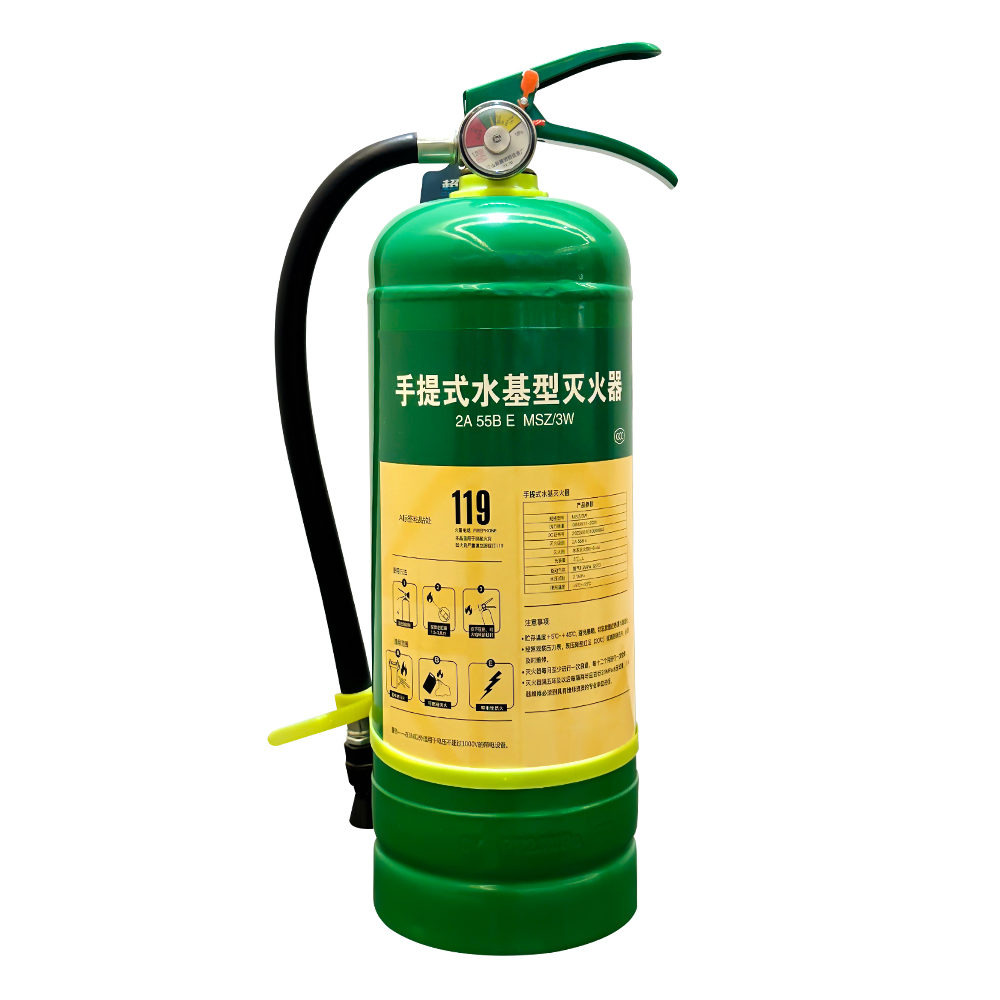
1. Water-Based Fire Extinguishers
Applicable Fires: Class A (common solid combustibles: wood, paper, cloth, plastic)
How it works: Dispenses a water mist or fine stream, extinguishing the fire by cooling the burning material and wetting the fuel surface.
Not suitable for: Fires involving energized equipment (Class B), grease (Class F), flammable liquids (Class B), or metals (Class D). Do not use on kitchen grease fires or electrical fires.
2. Foam/AFFF Fire Extinguishers
Applicable Fires: Class A & B (combustible liquids: gasoline, oil, paint, solvents). Some can also be used on Class F fires.
How it works: Dispenses a thin film of water-based foam, covering the surface of the burning liquid to isolate it from oxygen and cool the solid fuel. Typical Applications: Warehouses, garages, and flammable liquid storage areas. Effective against flowing liquid fires.
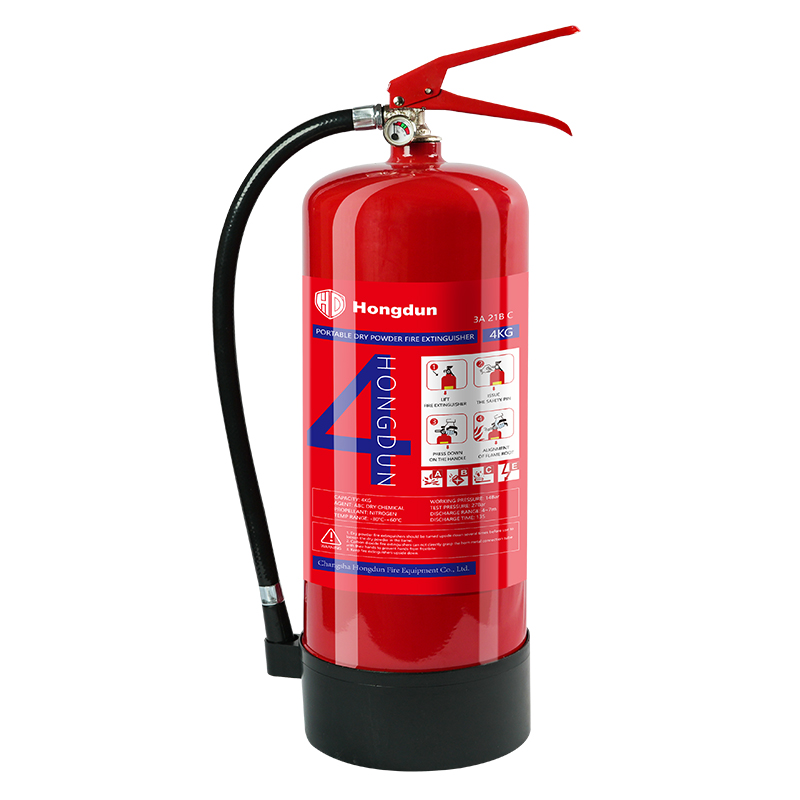
3. Dry Powder Fire Extinguishers
ABC Type: Suitable for Class A, B, C, and electrical fires. The powder interrupts the combustion reaction and isolates the oxygen.
BC Type: Suitable only for Class B, C, and electrical fires.
D Type: Designed for combustible metals (Class D: magnesium, sodium, potassium, and titanium). A special powder coats the metal, isolating it from oxygen and absorbing heat.
Caution: ABC dry powder is highly polluting and may damage delicate electronic equipment. Visibility is extremely low after discharge.
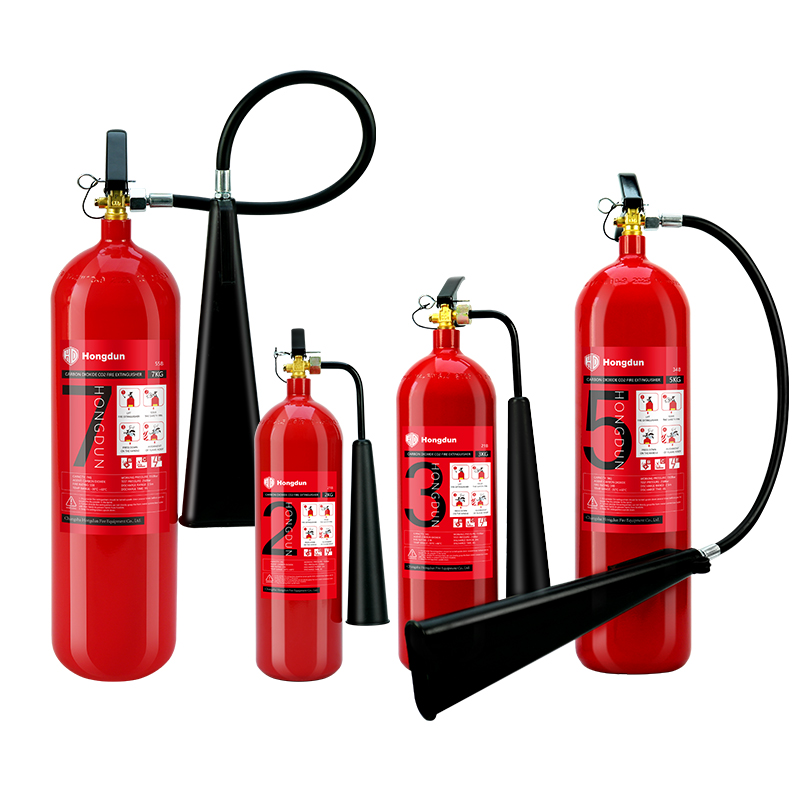
4. Carbon Dioxide Fire Extinguishers
Applicable Fires: Class B and electrical fires.
Working Principle: Releases high-pressure liquid carbon dioxide, which rapidly vaporizes, diluting the oxygen concentration and cooling the fire source. It is non-conductive and leaves no residue.
Typical Applications: Data centers, laboratories, power distribution rooms, and office electrical appliances. Be aware of the risk of asphyxiation when using in confined spaces.
5. Wet Chemical Fire Extinguishers
Applicable fires: Class F (cooking grease/oil fires) & Class A.
How it works: A special saponified solution is sprayed, which reacts rapidly with hot grease to form a foam layer, isolating it from oxygen and significantly reducing the temperature to prevent re-ignition.
Core applications: A must-have in professional kitchens and near frying equipment. Safest and most effective for deep-frying pan fires.
Proper fire extinguisher operation (PASS principle)
Pull: Remove the safety pin.
Aim: Aim the nozzle at the base of the flame.
Squeeze: Firmly depress the handle.
Sweep: Cover the burning area with a sweeping motion.
FAQ
Which is preferred for home use?
ABC dry powder or water mist fire extinguishers (marked with Class A and Class F) are more widely applicable.
Recommended vehicle fire extinguishers?
ABC dry powder is compact and has a wide extinguishing range, making it suitable for vehicle environments.
How to maintain it?
Regularly check that the pressure gauge is in the green zone and free of physical damage. Have it inspected and refilled by a professional according to the manufacturer's recommendations.
Key Tips: Fire extinguishers should only be used for controlled, initial fires. If the fire spreads, smoke becomes excessive, or the fire type cannot be determined, evacuate immediately and call the police.
Fire extinguishers are not universal; different types have limitations. When encountering a fire, it's crucial to find the right type of extinguisher to maximize its effectiveness. Using the wrong type of extinguisher can pose a greater safety hazard. Therefore, it's important to identify the fire type before using the appropriate extinguisher.


Contact Us
If you have any questions about this Privacy Policy or our practices, please contact us:
Mobile: +86 13975129722
Email: robin@hongdunfire.com
Address: Room 29005, Wanda Building A, Changsha, Hunan, China
Related News
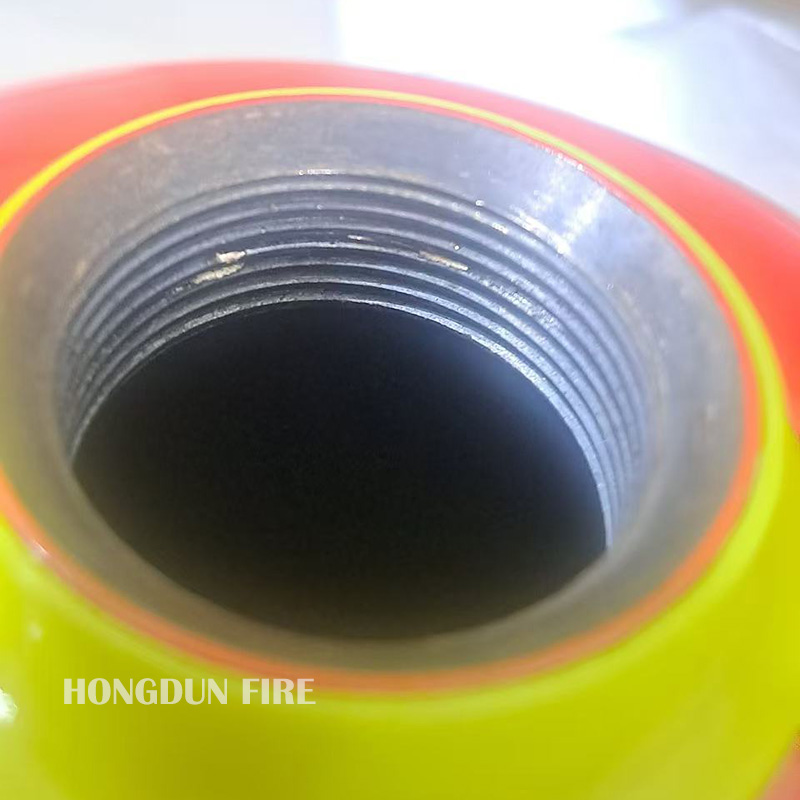
How to Distinguish Manufacturing Defects from Improper Valve Handling
Learn how to identify the real causes of fire extinguisher cylinder neck thread damage. Discover the differences between manufacturing defects, machining issues, transportation factors, and improper valve installation or removal. Includes expert insp

EN3-Certified Fire Extinguishers: Safety Assurance and Technical Analysis Under European Standards
EN3-certified fire extinguishers are at the core of European fire safety standards. This article details the standard system, performance requirements, applicable scenarios, and market value, helping to ensure safety and compliance.

What is the optimal size for a vehicle fire extinguisher?
This article primarily highlights the importance of vehicle fire extinguishers and provides size recommendations for different vehicle models, helping readers better select the appropriate size of car fire extinguisher.

Gas Fire Extinguishers Explained: Principles, Types, and Application Scenarios
Gas fire extinguishers play a key role in data centers, laboratories, power facilities, and other scenarios. This article explains their principles, types, application cases, and selection recommendations.