
Technical Analysis and Enterprise Application Guide for ABC Fire Extinguishers
Firefighting equipment is an indispensable component of corporate safety management systems. Among various extinguisher types, ABC fire extinguishers have become standard equipment in industrial settings such as factories, warehouses, office buildings, and shopping malls due to their broad applicability, ease of use, and high cost-effectiveness. This article provides an in-depth technical analysis of ABC fire extinguishers, covering their principles, performance, applicable scenarios, and key procurement considerations for enterprises. It aims to assist businesses in establishing a more scientifically sound fire safety protection system.
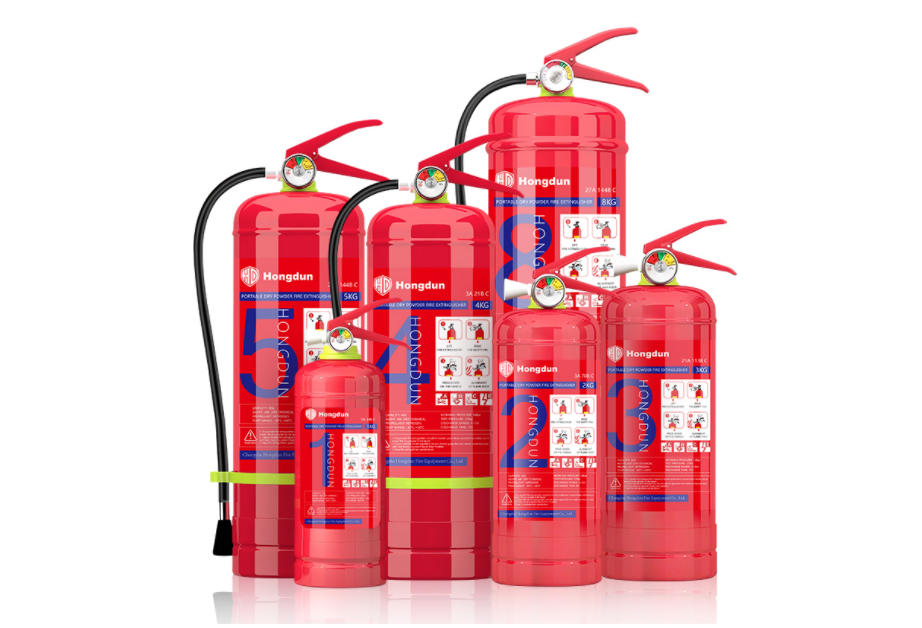
I. What is an ABC Fire Extinguisher?
An ABC fire extinguisher is a type of dry powder extinguisher, typically containing ammonium phosphate-based dry powder as its extinguishing agent. It is designated “ABC” because it can extinguish three classes of fires:
Class A fires: Combustible solids such as wood, paper, textiles, and plastics;
Class B fires: Flammable liquids or melting solids like gasoline, diesel, paint, and asphalt;
Class C fires: Gas fires involving methane, propane, hydrogen, etc.
This type of extinguisher covers most fire scenarios likely to occur in industrial production and office settings, making it a core component of corporate fire safety systems.
II. Analysis of ABC Fire Extinguisher Mechanism
ABC extinguishers achieve fire suppression through three primary mechanisms:
1. Oxygen Isolation: Dry powder particles sprayed onto burning surfaces create a blanket that cuts off oxygen supply from the air, interrupting the combustion chain;
2. Chemical Inhibition: Ammonium phosphate salts within the dry powder decompose at high temperatures, releasing free radicals that further disrupt combustion reactions;
3. Cooling Effect: While the cooling effect of dry powder is limited, it rapidly reduces flame intensity and controls fire spread.
The synergistic action of these three mechanisms ensures the ABC extinguisher performs reliably and effectively against diverse complex fires, demonstrating exceptional practicality.
III. Why Are ABC Fire Extinguishers the Preferred Choice for Enterprises?
Compared to carbon dioxide, water-based, or foam extinguishers, ABC extinguishers offer the following advantages:
Broad applicability: Covers Class A, B, and C fires, addressing common fire scenarios and reducing the complexity of managing multiple extinguisher types within an enterprise;
Strong weather resistance: Dry powder is resistant to moisture and degradation, suitable for diverse industrial environments (e.g., warehouses, workshops, server rooms);
Cost-effectiveness: Low procurement and maintenance costs make them suitable for large-scale deployment;
High safety: Non-conductive, allowing limited use on live electrical equipment fires (in low-voltage environments).
For enterprises, this “all-purpose” extinguisher meets basic firefighting needs while effectively reducing management complexity and long-term maintenance costs, making it well-suited for corporate fire safety requirements.

IV. Technical Specifications and Standards for ABC Fire Extinguishers
When procuring, enterprises should focus on the following technical indicators:
1. Fire Extinguishing Rating
Class A extinguishing efficiency (e.g., 2A, 3A): Indicates effectiveness against solid fuel fires;
Class B extinguishing efficiency (e.g., 34B, 55B): Indicates coverage area for liquid fires;
Class C fires: No specific rating required; certification alone suffices.
2. Charge Capacity and Discharge Duration
Common specifications: 2kg, 4kg, 6kg, 8kg, 35kg cart-mounted;
Discharge duration: Typically 8–15 seconds (handheld), with 35kg cart-mounted units exceeding 25 seconds.
3. Spray Distance
2kg models: approx. 2–3 meters; 8kg models: up to 4–6 meters.
4. Pressure Gauge and Valve
Select models with pressure gauges for routine inspection.
Prefer metal valves for pressure resistance and durability.
5. Certification Standards
China: GB4351 “Portable Fire Extinguishers,” CCC certification;
International: EN3, UL299, NFPA10.
These technical parameters directly determine the reliability and effectiveness of fire extinguishers.
V. Common Application Scenarios for Enterprise Users
1. Manufacturing Workshops
Workshops involving metal processing, plastic products, woodworking, etc., face Class A and B fire risks. Recommended configuration: 4kg or 8kg portable ABC extinguishers; add cart-mounted units at critical positions.
2. Warehousing and Logistics
Warehouses store large quantities of flammable materials across extensive areas. Configure extinguishers at a rate of one per 50 square meters, with strategic placement at entrances/exits.
3. Office Buildings and Shopping Malls
Office areas primarily face Class A fires. 2kg extinguishers suffice, but public areas require 4kg or larger models.
4. Server Rooms and Electrical Distribution Rooms
While carbon dioxide or clean agent extinguishers are recommended, ABC extinguishers may supplement low-voltage electrical zones.
VI. Key Procurement and Management Considerations for Enterprises
When selecting and managing ABC fire extinguishers, enterprises should prioritize the following:
Quantity Allocation: Strategically place extinguishers based on building area, fire risk level, and fire safety regulations.
Regular Inspection: Annually check pressure gauges, nozzles, and dry powder condition to ensure extinguishers remain within their service life;
Employee Training: Conduct periodic fire drills to ensure staff master the procedure of pulling the pin, aiming, and discharging;
Supplier Selection: Prioritize professional suppliers with certified qualifications and after-sales service capabilities to avoid safety risks from substandard products.
VII. Limitations of ABC Fire Extinguishers
Despite their versatility, ABC extinguishers have certain limitations:
Cleaning Difficulty: Residual dry powder can corrode metal and electronic components, making it unsuitable for precision instruments and equipment;
Limited Cooling Effect: Inadequate for fires with high reignition risks (e.g., lithium batteries);
High-Voltage Electrical Equipment: Not suitable for direct application on energized high-voltage equipment.
Therefore, enterprises should develop diversified firefighting configurations based on actual risks, incorporating CO₂, aerosol, water-based, and lithium battery extinguishers.
ABC fire extinguishers remain the preferred choice for corporate fire safety due to their broad applicability and consistent performance. Through scientific configuration, regular maintenance, and employee training, businesses can maximize extinguisher effectiveness and reduce fire accident risks. For enterprise users prioritizing safety compliance and cost efficiency, ABC fire extinguishers represent not merely firefighting equipment, but a critical investment in operational stability.


Contact Us
If you have any questions about this Privacy Policy or our practices, please contact us:
Mobile: +86 13975129722
Email: robin@hongdunfire.com
Address: Room 29005, Wanda Building A, Changsha, Hunan, China
Related News
How to Distinguish Manufacturing Defects from Improper Valve Handling
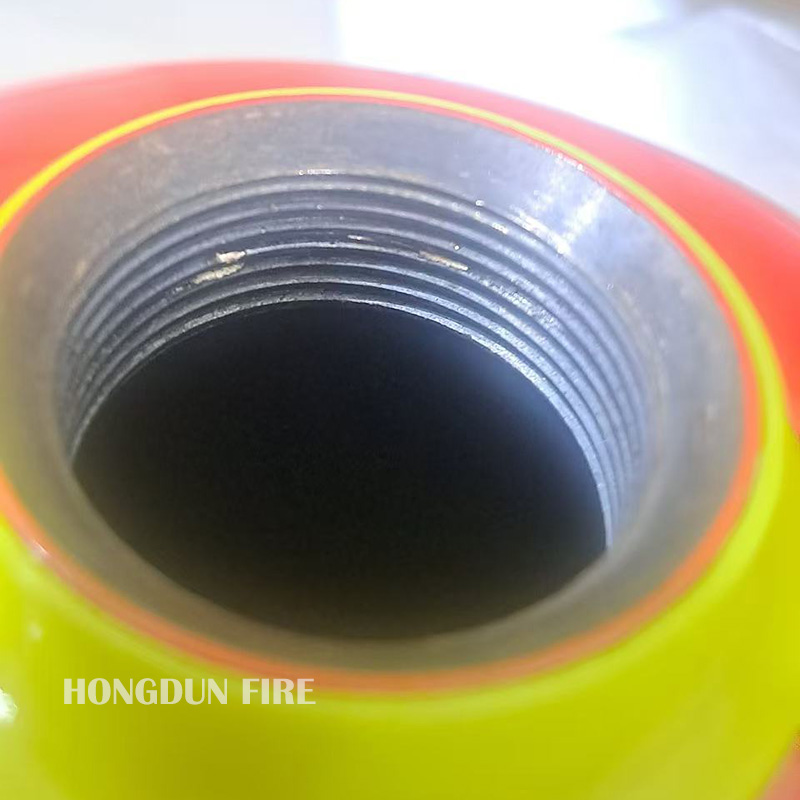
Learn how to identify the real causes of fire extinguisher cylinder neck thread damage. Discover the differences between manufacturing defects, machining issues, transportation factors, and improper valve installation or removal. Includes expert insp

EN3-Certified Fire Extinguishers: Safety Assurance and Technical Analysis Under European Standards
EN3-certified fire extinguishers are at the core of European fire safety standards. This article details the standard system, performance requirements, applicable scenarios, and market value, helping to ensure safety and compliance.

What is the optimal size for a vehicle fire extinguisher?
This article primarily highlights the importance of vehicle fire extinguishers and provides size recommendations for different vehicle models, helping readers better select the appropriate size of car fire extinguisher.

Gas Fire Extinguishers Explained: Principles, Types, and Application Scenarios
Gas fire extinguishers play a key role in data centers, laboratories, power facilities, and other scenarios. This article explains their principles, types, application cases, and selection recommendations.