
What Type of Fire Extinguisher Is Best for Kitchens? A Professional Kitchen Fire Safety Guide
Why Are Kitchen Fire Extinguishers Especially Critical?While fires in living rooms or bedrooms may be occasional risks, kitchen fires represent a “permanent hazard.” As a space where open flames are routinely used in daily life, kitchens face a significantly higher risk of fire than other areas.
From household oil pan fires to grease duct fires in commercial kitchens, to gas leak explosions in school cafeterias—kitchens encompass multiple high-risk factors for fires. A single kitchen concentrates four major fire hazards: solid materials, liquids, electrical systems, and grease. The complexity of kitchen fires surpasses that of other everyday spaces. Therefore, selecting a kitchen fire extinguisher must never be arbitrary. It should be correctly configured based on the specific characteristics of kitchen fires and the applicable scenarios. This guide primarily analyzes the characteristics of kitchen fires, examines different types of kitchen fire extinguishers, and recommends practical options to help you choose the right one.
I. Characteristics and Risks of Kitchen Fires
Kitchen fires are more complex than ordinary fires primarily because oil fires are intense and prone to reignition. They involve multiple fire types, occur in confined spaces with limited ventilation, and pose evacuation challenges. Traditional firefighting methods are often ineffective.
1. Intense Oil Fires with High Reignition Risk: Cooking oils typically have a flash point around 300°C (580°F), with flames exceeding 1000°C (1886°F). Even if surface flames are extinguished, reignition is highly likely as long as oil temperatures remain elevated. Pouring water onto the flames can even cause explosions.
2. Multiple fire sources coexist: Open flames from cooking oil, electrical short circuits in appliances like induction cooktops, electric ovens, and range hoods, gas leaks leading to deflagration, etc. These hazards often overlap simultaneously, complicating kitchen fires.
3. Limited space hinders evacuation: Fires erupt instantaneously. In residential kitchens, confined spaces often leave occupants no time to react or escape. Commercial kitchens, with high foot traffic, may offer less than a minute to evacuate once a fire gets out of control.
4. Inapplicability of Traditional Firefighting Methods:Kitchen fires are too complex for conventional approaches. For instance, pouring water directly onto a burning oil pan is ineffective and can trigger violent oil explosions. The resulting flame blast could ignite ceilings or nearby gas lines, escalating the fire's severity. Thus, kitchen fire extinguishers must effectively tackle oil fires, address electrical fires, and prevent secondary damage.

II. Analysis of Common Fire Extinguishers' Suitability for Kitchens
1. Dry Powder Fire Extinguisher (ABC Class)
Advantages: Inexpensive, versatile, best cost-performance ratio, widely available in public spaces.
Issues: Low effectiveness against oil fires, unable to rapidly cool; severe powder residue contamination after use, difficult to clean, and corrosive to electrical appliances and stainless steel utensils.
Suitable only as a basic backup; not recommended as the primary kitchen fire extinguisher.
2. Carbon Dioxide Fire Extinguisher
Advantages: Leaves no residue; suitable for electrical fires.
Issues: Ineffective against oil fires; large CO₂ release in small kitchens poses suffocation risk.
Suitable as a secondary option for electrical fires, not a comprehensive kitchen solution.
3. Foam Fire Extinguisher
Advantages: Can cover liquid fire surfaces.
Issues: Liquid splashes upon contact with hot oil surfaces, posing extreme danger.
Not recommended for kitchens, especially for oil pan fires.
4. Wet Chemical Fire Extinguisher (Class K)
Advantages: Specifically designed for kitchens; reacts with grease to form a cooling protective layer, completely suppressing reignition.
Issues: Higher cost than standard extinguishers; requires regular maintenance.
Currently the only extinguisher truly suitable for oil fires; the preferred choice for commercial and home kitchens.
III. Hazards of Using the Wrong Extinguisher
1. Dry Powder Extinguishers on Oil Fires: In restaurant kitchens, while dry powder extinguishers may temporarily suppress surface flames, the high oil temperature often causes reignition. Letting down your guard can lead to the entire stove or kitchen being engulfed again. Residual powder also causes stubborn contamination on kitchen equipment, compromising subsequent food safety.
2. Pouring Water to Extinguish Fires: In home kitchen fires, panic often leads people to instinctively pour cold water into burning oil. This not only fails to extinguish the fire but can cause an instant oil flash, igniting nearby combustibles and expanding the fire.
3. Using CO₂ extinguishers on oil fires: While carbon dioxide suppresses flames initially, the oil remains superheated. Flames often reignite within seconds, rendering this method ineffective.
These real-world scenarios demonstrate that using the wrong extinguisher is more dangerous than having none at all.
IV. Recommended Kitchen Fire Extinguisher Types
Fires are common in home kitchens, commercial kitchens, and restaurants. To ensure safe fire suppression and prevent injuries or property damage, we recommend purchasing Class K fire extinguishers (wet chemical extinguishers). Reference configurations are as follows:
1. Home Kitchens
Optimal Choice: Small wet chemical extinguisher (approx. 2L).
Supplementary Configuration: One CO₂ extinguisher for electrical short circuits.
Reasoning: Cooking oil fires are the most common household hazard; wet chemicals completely eliminate reignition risks. CO₂ ensures electrical safety.
2. Commercial Kitchens (Restaurants, Hotels, Fast Food Outlets)
Optimal Choice: Wet chemical extinguisher with capacity ≥6L.
Supplementary Measures: Install an automatic kitchen fire suppression system (with hood sprinklers that automatically release agent).
Reason: Commercial kitchens have high fire loads; portable extinguishers alone are insufficient. Automatic systems can extinguish fires in their initial stages.
3. School/Corporate Cafeterias
Optimal Choice: Combination of wet chemical extinguishers + automatic fire suppression systems.
Supplementary Measures: Conduct regular staff training to ensure operational proficiency.
Reasoning: High personnel density necessitates rapid fire suppression and prevention of mass casualties.
Kitchen fires may seem “low probability,” but they pose “high risk” when they occur. True safety protection isn't achieved by “just buying any fire extinguisher,” but by scientifically selecting equipment tailored to kitchen scenarios. K-class wet chemical extinguishers are specifically designed for commercial and residential kitchen fires. They effectively extinguish grease fires and oil fires generated through saponification, making them the most suitable type for kitchen fires—the quietest yet most vital guardians in the kitchen.


Contact Us
If you have any questions about this Privacy Policy or our practices, please contact us:
Mobile: +86 13975129722
Email: robin@hongdunfire.com
Address: Room 29005, Wanda Building A, Changsha, Hunan, China
Related News
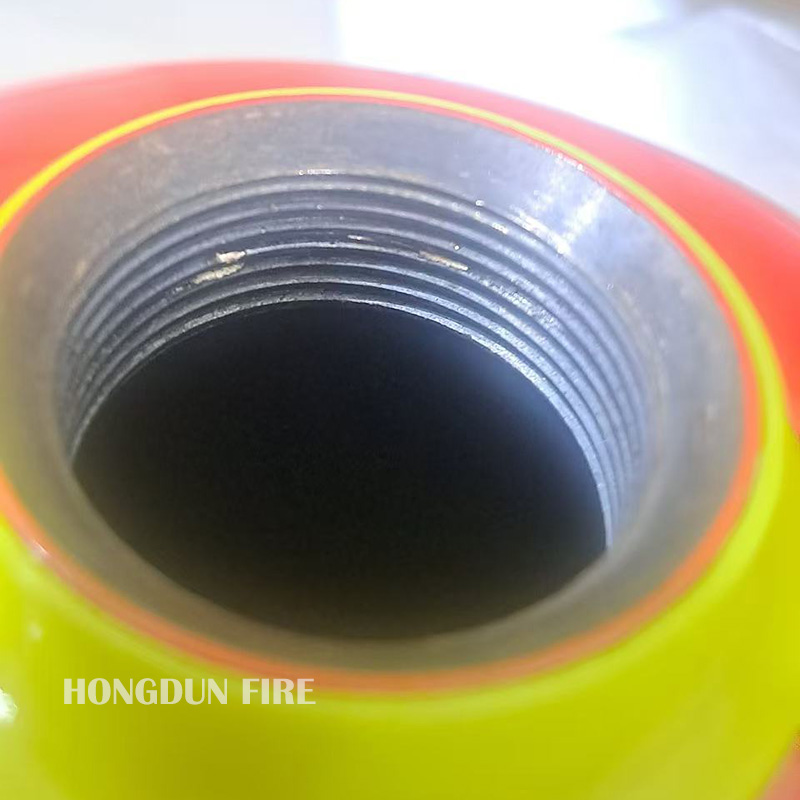
How to Distinguish Manufacturing Defects from Improper Valve Handling
Learn how to identify the real causes of fire extinguisher cylinder neck thread damage. Discover the differences between manufacturing defects, machining issues, transportation factors, and improper valve installation or removal. Includes expert insp

EN3-Certified Fire Extinguishers: Safety Assurance and Technical Analysis Under European Standards
EN3-certified fire extinguishers are at the core of European fire safety standards. This article details the standard system, performance requirements, applicable scenarios, and market value, helping to ensure safety and compliance.

What is the optimal size for a vehicle fire extinguisher?
This article primarily highlights the importance of vehicle fire extinguishers and provides size recommendations for different vehicle models, helping readers better select the appropriate size of car fire extinguisher.

Gas Fire Extinguishers Explained: Principles, Types, and Application Scenarios
Gas fire extinguishers play a key role in data centers, laboratories, power facilities, and other scenarios. This article explains their principles, types, application cases, and selection recommendations.