
Electrical Fire Extinguisher Enterprise Guide
In modern industrial and commercial environments, electrical systems achieve nearly 100% coverage. From high-voltage switchgear in production workshops to server rooms in data centers, and large-scale charging facilities in warehousing and logistics, electricity brings efficiency to businesses while harboring extremely high fire risks. Statistics show electrical fires consistently account for over 30% of all fire incidents, often causing losses far exceeding other fire types.
Unlike standard ABC fires, electrical fires cannot be safely extinguished by all extinguishers. In fact, improper selection may not only fail to extinguish the fire but could exacerbate the risk. This article analyzes the selection logic, technical characteristics, and practical application scenarios of electrical fire extinguishers from a corporate perspective, helping businesses establish higher-standard fire protection systems.

I. Why Do Electrical Fires Require Specialized Fire Extinguishers?
Compared to ordinary ABC fires, electrical fires possess dual hazardous attributes: “flames” and “live electrical components.” Their complex nature makes them unsuitable for direct suppression by conventional extinguishers.
1. Conductivity Risk: Water-based and foam extinguishers conduct electricity. Using them in live electrical environments poses a high risk of electrocution to firefighters.
2. Hidden heat sources: Even after flames are extinguished, residual high temperatures within cables or transformers may cause secondary reignition.
3. Equipment damage risk: Critical enterprise equipment often holds far greater value than the fire itself. Residual extinguishing agents corroding precision electronic components can cause irreversible damage.
Therefore, to address electrical fire hazards, enterprises must procure extinguishers specifically designed for electrical fires—featuring insulation properties and minimal residue—to safely and effectively counter fire threats.
II. Mainstream Technologies for Electrical Fire Extinguishers
1. Carbon Dioxide (CO₂) Extinguishers
Principle: Sprays high-pressure CO₂ to deprive flames of oxygen and lower temperatures.
Advantages: Leaves no residue, non-conductive, suitable for data centers and precision laboratories.
Disadvantages: Ineffective in open spaces; may pose oxygen depletion risks in enclosed environments.
2. Dry Powder Fire Extinguishers (ABC/BC Type)
Principle: Powder blankets the fire source, interrupting the chain reaction of combustion.
Advantages: Broad applicability, relatively low cost, effective against solid, liquid, and electrical fires.
Disadvantages: Residual powder is difficult to clean up and unsuitable for precision equipment.
3. Clean Agent Fire Extinguishers (Novec 1230, HFC-227ea, etc.)
Principle: Rapidly suppresses combustion through chemical reactions without reducing oxygen concentration.
Advantages: Non-corrosive, leaves no residue, protects high-value electronic equipment.
Disadvantages: Higher cost, primarily used in industries with extremely high safety requirements.
III. Considerations for Purchasing Electrical Fire Extinguishers
1. Prioritize Application Scenarios
Office & Data Centers: Recommend CO₂ or clean gases to avoid dry powder contamination of servers.
Manufacturing Workshops: Where electrical risks coexist with other fire hazards, dry powder extinguishers offer greater versatility.
Warehousing & Logistics (EV/Battery Charging Areas): Must account for lithium battery thermal runaway characteristics; clean gases or specialized battery fire suppression solutions are preferable.
High-voltage electrical equipment: Insulating and cooling properties are critical; CO₂ is more suitable.
Mixed fire risks (e.g., workshops with both electrical equipment and oils): Dry powder extinguishers offer a more economical choice.
High-value electronic assets: Clean gas extinguishers must be prioritized to prevent residue damage.
2. Certification and Regulatory Compliance
CE Marking: Verifies compliance with EU safety requirements.
EN3 Standard: European benchmark for fire extinguisher performance and safety testing.
UL/FM Certification: Applicable for North American markets.
China 3C Certification: Mandatory for Chinese enterprises.
These certifications often serve as “passports” for businesses during insurance underwriting or safety inspections. They not only signify product quality compliance but are also mandatory requirements for insurance coverage and government acceptance.
3. Long-Term Usage and Maintenance Costs
CO₂ extinguishers require periodic cylinder weight inspections.
Dry powder extinguishers require prevention of powder caking and periodic replacement of the agent.
Clean gas extinguishers have high refill costs but extended maintenance cycles, making them suitable for critical areas.
For enterprises, initial procurement is not the endpoint but the beginning of an ongoing maintenance process.
4. Integration with Training Systems
Fire extinguishers are merely tools; true protection depends on proper operation. Enterprises must conduct regular electrical fire drills to ensure staff proficiency with different extinguisher types.
Selecting appropriate electrical fire extinguishers goes beyond meeting formal fire inspection requirements—it is critical to safeguarding core assets and employee safety. Businesses must establish comprehensive protection systems tailored to their specific scenarios, aligned with international standards and long-term maintenance strategies.
For enterprises with high-value equipment, prioritize products certified to CE/EN3 international standards and implement differentiated configurations based on site characteristics. This not only elevates fire safety levels but also prevents secondary losses from equipment damage.
FAQ
Q1: Can water-based extinguishers be used for electrical fires?
No. Water is conductive and may cause electric shock.
Q2: Are dry powder extinguishers suitable for server rooms?
While effective at extinguishing fires, residual powder can severely damage electronic equipment, potentially causing greater losses. Their use is not recommended.
Q3: What precautions should be taken when using CO₂ extinguishers?
Avoid prolonged use in enclosed spaces due to oxygen depletion risks. Wear protective gloves during operation.
Q4: How can businesses determine if clean agent extinguishers are necessary?
Clean agent extinguishers are required when premises house high-value equipment (e.g., servers, precision instruments) that cannot tolerate residual contamination.


Contact Us
If you have any questions about this Privacy Policy or our practices, please contact us:
Mobile: +86 13975129722
Email: robin@hongdunfire.com
Address: Room 29005, Wanda Building A, Changsha, Hunan, China
Related News
How to Distinguish Manufacturing Defects from Improper Valve Handling
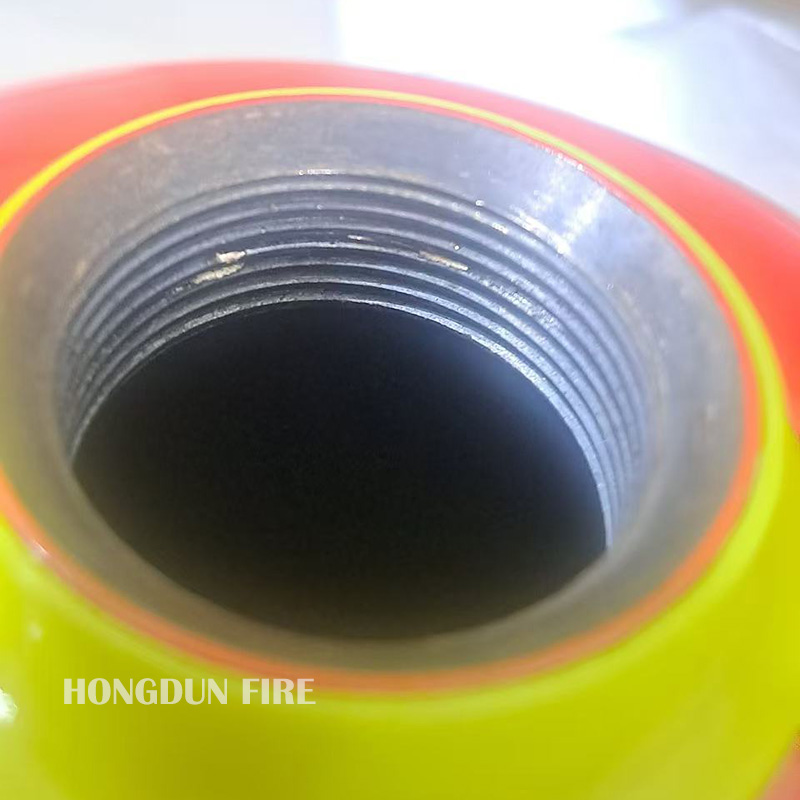
Learn how to identify the real causes of fire extinguisher cylinder neck thread damage. Discover the differences between manufacturing defects, machining issues, transportation factors, and improper valve installation or removal. Includes expert insp

EN3-Certified Fire Extinguishers: Safety Assurance and Technical Analysis Under European Standards
EN3-certified fire extinguishers are at the core of European fire safety standards. This article details the standard system, performance requirements, applicable scenarios, and market value, helping to ensure safety and compliance.

What is the optimal size for a vehicle fire extinguisher?
This article primarily highlights the importance of vehicle fire extinguishers and provides size recommendations for different vehicle models, helping readers better select the appropriate size of car fire extinguisher.

Gas Fire Extinguishers Explained: Principles, Types, and Application Scenarios
Gas fire extinguishers play a key role in data centers, laboratories, power facilities, and other scenarios. This article explains their principles, types, application cases, and selection recommendations.