
Can ABC Dry Powder Fire Extinguishers Put Out Electrical Fires?
In industrial production, data centers, commercial buildings, and even residential settings, electrical fires represent the most challenging and dangerous category of fires to prevent. Due to the complexity of electrical fires, many users struggle to select the correct extinguisher for suppression. For instance, can the commonly used ABC dry powder fire extinguisher safely extinguish electrical fires? To answer this question, we must conduct a multidimensional analysis covering the characteristics of electrical fires, the principles of ABC dry powder extinguishing agents, their applicable scenarios, and associated usage risks.
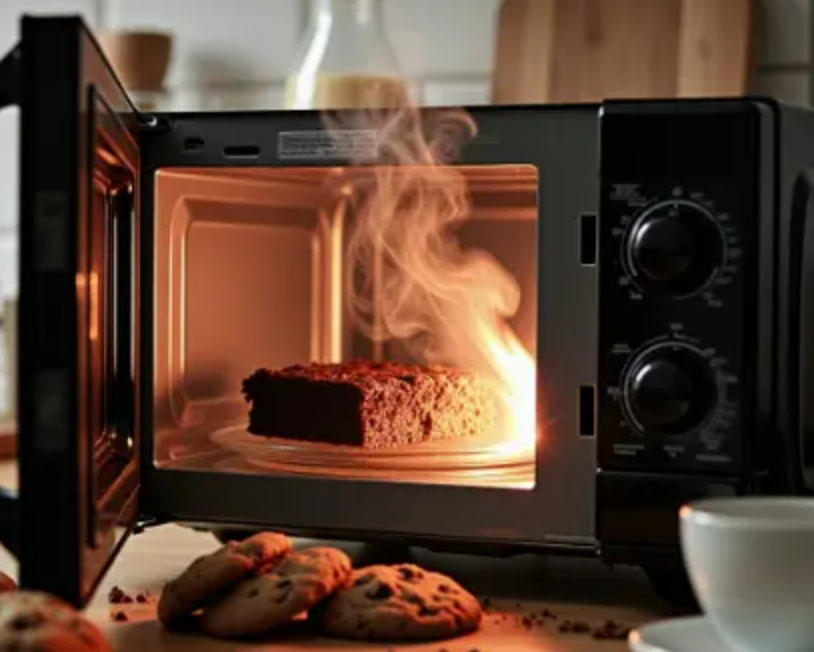
I. Unique Characteristics of Electrical Fires
The primary distinction between electrical fires and ordinary solid/liquid fires lies in the presence of live electrical components.
Hazards: If the extinguishing agent is conductive, it may cause electric shock or secondary short circuits during suppression.
Source Characteristics: Typically involve cables, electrical switches, motors, distribution panels, etc., with concealed ignition points that may produce sustained arcs.
Complex Combustibles: Burning insulation, plastics, and circuit boards generate toxic fumes, demanding rapid and effective suppression.
Therefore, the key to determining an extinguisher's suitability for electrical fires lies in whether the agent is electrically insulating and can remain stable in high-temperature arc environments.
II. Extinguishing Mechanism of ABC Dry Powder Fire Extinguishers
ABC dry powder extinguishers commonly use ammonium phosphate as the extinguishing agent. Its primary functions include:
Chemical Inhibition: The powder decomposes at high temperatures, releasing phosphate groups that suppress the chain reaction of combustion radicals, thereby rapidly interrupting sustained flame propagation.
Physical Blanketing: The powder forms a layer over the burning surface, isolating it from atmospheric oxygen.
Melting Barrier: At high temperatures, it forms a molten layer covering solid combustible materials, preventing reignition.
Ammonium phosphate dry powder is a non-conductive material. Its particles do not form conductive pathways, allowing safe use within certain voltage ranges.
III. Applicable Conditions for ABC Dry Powder Fire Extinguishers in Electrical Fires
Although ABC dry powder extinguishers can be used for electrical fires, they are not suitable for all electrical fires and are subject to multiple constraints, limiting their application:
1. Voltage Level Restriction: Dry powder extinguishers are typically labeled as “suitable for extinguishing fires on energized equipment below 600V.” Above this voltage, the risk of arc breakdown increases; it is recommended to de-energize the equipment before extinguishing.
2. Spray Distance Requirement: When extinguishing electrical fires, maintain a minimum distance of 1.5 meters from the nozzle to prevent arcing that could conduct electricity through the powder.
3. Environmental Impact: In high-humidity environments, moisture absorption may cause powder clumping and reduce insulation effectiveness. Dust accumulation on precision circuits or inside control cabinets may lead to corrosion or short-circuit hazards over time.
IV. Comparative Analysis with Other Fire Extinguishers
To better understand the advantages and limitations of ABC dry powder extinguishers, compare them with other common fire suppression methods:
Carbon Dioxide Extinguishers: Superior insulation, suitable for high-voltage electrical fires, but pose oxygen depletion risks in enclosed spaces.
Clean Agent Fire Suppressants (FM200, Novec 1230): Non-conductive and residue-free, highly suitable for data centers, but costly.
Water-based extinguishers: Highly conductive, generally unsuitable for electrical fires unless using specialized insulating agents.
Overall, ABC dry powder extinguishers are practical for initial suppression of low-voltage electrical fires in common scenarios. However, they are not the optimal solution for high-precision equipment in data centers or server rooms, where carbon dioxide or other clean gas extinguishers are required.
V. Application Scenario Analysis
Residential Settings: ABC dry powder extinguishers are effective for small-scale fires caused by short circuits or socket overloads.
Promptly clean residual powder after extinguishing to prevent corrosion of electrical appliances.
Factory Workshops: For fires involving motors or electrical control cabinets where immediate power disconnection is impossible, ABC dry powder extinguishers can effectively contain the blaze. However, significant dust accumulation may cause secondary equipment damage, necessitating comprehensive post-fire inspections.
Data Centers/Laboratories: ABC dry powder is not recommended as it contaminates precision equipment; gas extinguishing systems should be prioritized.
Tips: Safety Recommendations
Prioritize Power Disconnection: If feasible, immediately cut power before extinguishing.
Maintain Distance: Keep a safe spraying distance (≥1.5 meters) during operation.
Prevent Reignition: Dry powder does not cool the fire source; monitor for reignition after extinguishing.
ABC dry powder extinguishers can suppress electrical fires under specific conditions, particularly initial fires in low-voltage live equipment. Their advantages include rapid extinguishment, broad applicability, and low cost. However, limitations exist, such as potential secondary damage to equipment, environmental contamination, and inadequate performance in high-voltage environments.
Therefore, in corporate or residential fire safety configurations, ABC dry powder extinguishers can serve as foundational emergency tools. However, for critical locations and high-value equipment, they should be supplemented with carbon dioxide extinguishers or clean agent fire suppression systems to achieve safer, more professional protection.


Contact Us
If you have any questions about this Privacy Policy or our practices, please contact us:
Mobile: +86 13975129722
Email: robin@hongdunfire.com
Address: Room 29005, Wanda Building A, Changsha, Hunan, China
Related News
How to Distinguish Manufacturing Defects from Improper Valve Handling
Learn how to identify the real causes of fire extinguisher cylinder neck thread damage. Discover the differences between manufacturing defects, machining issues, transportation factors, and improper valve installation or removal. Includes expert insp

EN3-Certified Fire Extinguishers: Safety Assurance and Technical Analysis Under European Standards
EN3-certified fire extinguishers are at the core of European fire safety standards. This article details the standard system, performance requirements, applicable scenarios, and market value, helping to ensure safety and compliance.

What is the optimal size for a vehicle fire extinguisher?
This article primarily highlights the importance of vehicle fire extinguishers and provides size recommendations for different vehicle models, helping readers better select the appropriate size of car fire extinguisher.

Gas Fire Extinguishers Explained: Principles, Types, and Application Scenarios
Gas fire extinguishers play a key role in data centers, laboratories, power facilities, and other scenarios. This article explains their principles, types, application cases, and selection recommendations.