
Do Fire Extinguishers Expire
Fire extinguishers are one of the most important pieces of fire safety equipment in our homes and workplaces. Though unassuming, they are incredibly important. So, how long can this crucial piece of equipment last, and will it expire?
The answer is: Yes, fire extinguishers age over time, and the extinguishing agent expires. Different types of fire extinguishers have different lifespans, and storage conditions and usage also affect their expiration dates. After their useful lifespan has expired, they may become unsafe to use or ineffective in extinguishing fires.
This article will provide detailed information on the causes of fire extinguisher expiration, their lifespan, replacement cycles, and disposal.
Why do fire extinguishers expire?
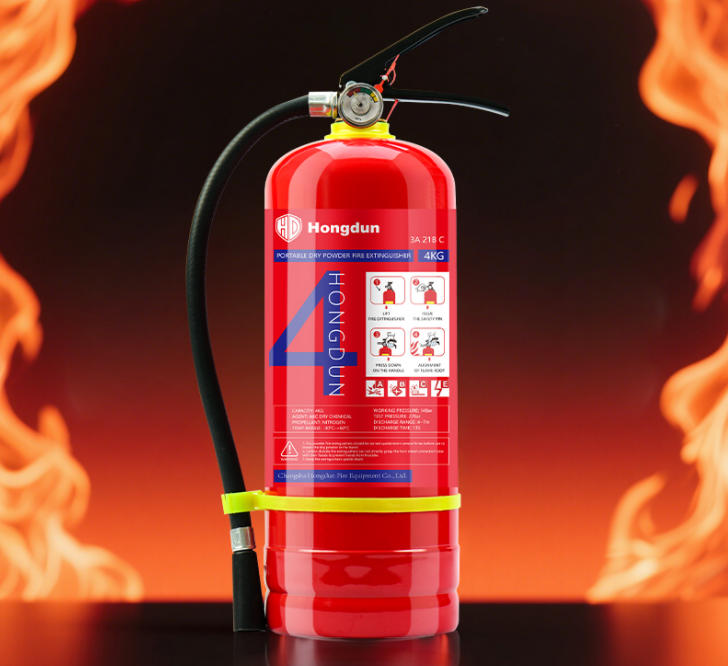
Although the extinguishing agent in fire extinguishers is stored in high-performance cylinders, like any other equipment, they can wear out, crack, and degrade over time. In particular, weakened valve seals can cause a drop in pressure, which can degrade the extinguishing agent. Generally speaking, a fire extinguisher has a service life of 5-12 years, requiring regular maintenance and inspections. If inspections and maintenance are improper or not completed, even if the extinguisher has not reached its maximum service life, it will be deemed ineffective and should not be used further, to avoid potential malfunctions in emergencies.
What is the service life of a fire extinguisher?
The service life of a fire extinguisher is generally around 10 years, while disposable extinguishers have a service life of 5 years. Extinguishers with a longer shelf life require a water pressure test around the fifth year after leaving the factory, and regular inspections thereafter to ensure the extinguisher remains in working order. Conditions in which a fire extinguisher may require replacement include: the production date is over 10 years old; the cylinder is cracked or severely rusted; inspection and maintenance records are missing or have not been returned for over a year; the pressure test fails; or the extinguisher has lost weight.
Causes of Premature Fire Extinguisher Failure
The environment and maintenance of a fire extinguisher can cause it to fail prematurely before its service life. Common causes include:
Insufficient pressure: Even a small leak in the seal can cause a pressure drop, rendering the extinguisher ineffective.
Corrosion: Prolonged exposure to high temperatures, high salt levels, humidity, and moisture can corrode the cylinder and sealing valve. Cylinder damage can weaken the structural integrity, leading to extinguisher failure.
Degradation of the extinguishing agent: Dry powder extinguishing agents may clump, foam may form, and water-based solutions may become ineffective.
Component damage: The handle, hose, and safety pin may wear or break.
Can expired fire extinguishers still be used?
It is not recommended. While they may function properly, their extinguishing effectiveness cannot be guaranteed. However, an extinguisher that has exceeded its service life, such as a lack of pressure, ineffective extinguishing agent, or damaged hose, cannot be safely used or effectively extinguish a fire in an emergency. Any errors can put the user at greater risk.
How to Properly Dispose of Expired Fire Extinguishers
Expired fire extinguishers shouldn't be thrown directly into the trash. Fire extinguishers are classified as hazardous materials in most areas, and improper disposal is not only dangerous but may also be illegal. The correct way to dispose of them is to contact your community, where there are recycling arrangements, for centralized disposal by a professional recycling agency, or contact your local fire department, some of which will accept used fire extinguishers for disposal.
Fire extinguishers are one of the most important tools for protecting life and property, but like all fire safety equipment, they have a lifespan. Regarding the question, "Do fire extinguishers expire?" the answer is a clear yes. The key is to know when to replace or maintain your fire extinguisher and ensure it's always in working order. Don't wait until a fire breaks out to discover your extinguisher is no longer working. Take a moment today to inspect your fire extinguishers, check and record their inspection dates, and replace or refill them as necessary. A small act of preparedness could save lives and protect everything you hold most dear in the future.


Contact Us
If you have any questions about this Privacy Policy or our practices, please contact us:
Mobile: +86 13975129722
Email: robin@hongdunfire.com
Address: Room 29005, Wanda Building A, Changsha, Hunan, China
Related News
How to Distinguish Manufacturing Defects from Improper Valve Handling
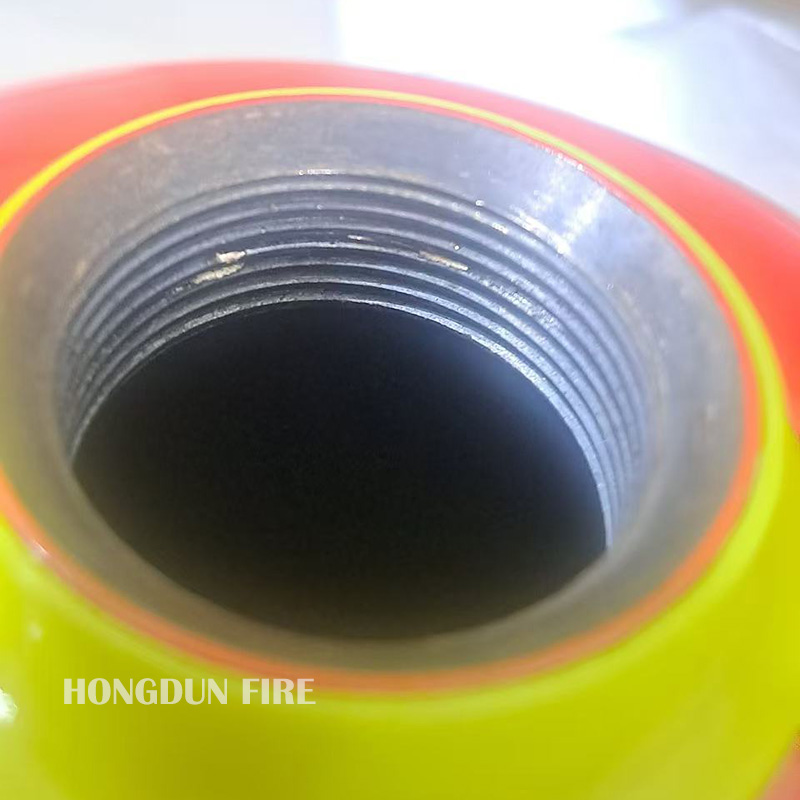
Learn how to identify the real causes of fire extinguisher cylinder neck thread damage. Discover the differences between manufacturing defects, machining issues, transportation factors, and improper valve installation or removal. Includes expert insp

EN3-Certified Fire Extinguishers: Safety Assurance and Technical Analysis Under European Standards
EN3-certified fire extinguishers are at the core of European fire safety standards. This article details the standard system, performance requirements, applicable scenarios, and market value, helping to ensure safety and compliance.

What is the optimal size for a vehicle fire extinguisher?
This article primarily highlights the importance of vehicle fire extinguishers and provides size recommendations for different vehicle models, helping readers better select the appropriate size of car fire extinguisher.

Gas Fire Extinguishers Explained: Principles, Types, and Application Scenarios
Gas fire extinguishers play a key role in data centers, laboratories, power facilities, and other scenarios. This article explains their principles, types, application cases, and selection recommendations.