
5 things you should know after using a fire extinguisher
While fire extinguishers can quickly put out an initial fire, post-exposure procedures are equally important. Whether you're using the extinguisher briefly or thoroughly, immediate cleaning, maintenance, and safety checks are essential. Here's a complete guide to handling fire extinguishers after use:

1. Confirm the fire is completely out.
Even if the flames are out, debris may still be smoldering.
Check for residual heat, smoke, or sparks.
Use caution when moving burned items.
If you're unsure whether it's safe to do so, contact the fire department immediately.
2. Ventilate.
Dry powder extinguishers leave behind a large amount of dust or chemical particles. Using a carbon dioxide extinguisher in a confined space can reduce oxygen levels. To avoid the risk of asphyxiation, open doors and windows for ventilation.
You can also use a fan to increase air circulation.
3. Clean up the extinguisher residue.
Dry powder extinguishers: Wear a mask and gloves. Vacuum any loose powder and wipe the surface with a damp cloth. Foam or wet chemical fire extinguishers: Use a mop to remove the liquid and clean the affected area.
CO2 fire extinguishers: Leave little residue, but ventilation is still necessary.
4. Replace or refill the fire extinguisher
Most fire extinguishers lose pressure after even a small amount of spray, requiring replacement. Refillable models should be sent to a professional repair center for repressurization or servicing.
5. Submit an incident report, if necessary.
At work, in rental properties, or in public spaces, it is recommended to document the incident.
Record the time, cause of the fire, and the firefighting process.
Take photos for evidence to facilitate insurance or regulatory review.
The fire may be out, but safety doesn't stop there. Promptly replacing or refilling fire extinguishers, cleaning the scene, and optimizing emergency plans will ensure you're fully prepared for the next emergency.


Contact Us
If you have any questions about this Privacy Policy or our practices, please contact us:
Mobile: +86 13975129722
Email: robin@hongdunfire.com
Address: Room 29005, Wanda Building A, Changsha, Hunan, China
Related News
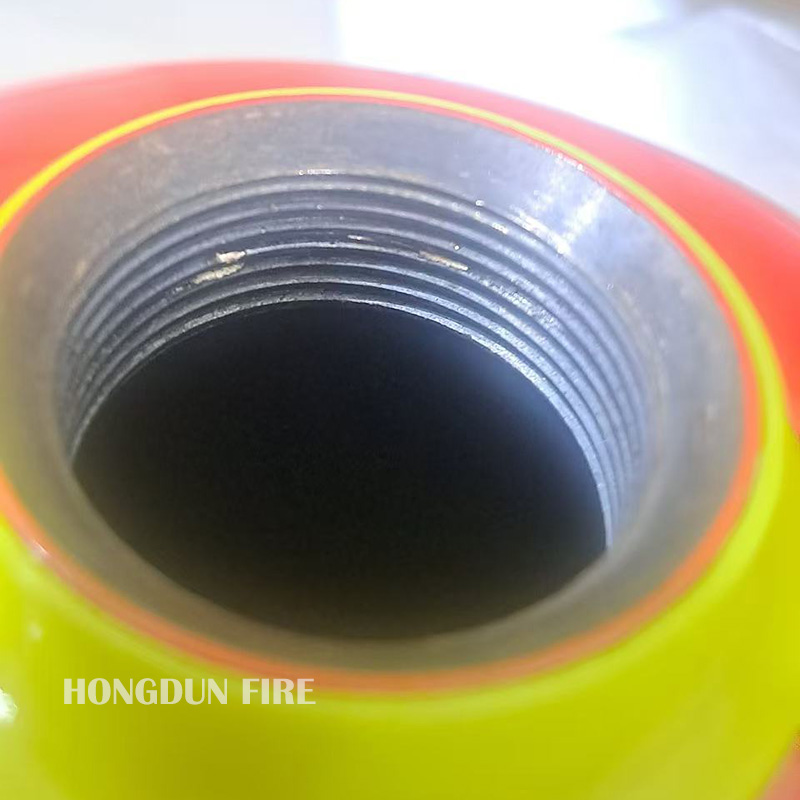
How to Distinguish Manufacturing Defects from Improper Valve Handling
Learn how to identify the real causes of fire extinguisher cylinder neck thread damage. Discover the differences between manufacturing defects, machining issues, transportation factors, and improper valve installation or removal. Includes expert insp

EN3-Certified Fire Extinguishers: Safety Assurance and Technical Analysis Under European Standards
EN3-certified fire extinguishers are at the core of European fire safety standards. This article details the standard system, performance requirements, applicable scenarios, and market value, helping to ensure safety and compliance.

What is the optimal size for a vehicle fire extinguisher?
This article primarily highlights the importance of vehicle fire extinguishers and provides size recommendations for different vehicle models, helping readers better select the appropriate size of car fire extinguisher.

Gas Fire Extinguishers Explained: Principles, Types, and Application Scenarios
Gas fire extinguishers play a key role in data centers, laboratories, power facilities, and other scenarios. This article explains their principles, types, application cases, and selection recommendations.