
How Long Do Fire Extinguishers Last? A Guide to Maintenance and Replacement
Fire extinguishers are essential tools for home, workplace, and vehicle safety, but how long do they last? Many people don't know, leading them to neglect extinguisher maintenance and replacement. This article will explain the factors that affect the lifespan of fire extinguishers, along with maintenance tips and when to replace them.
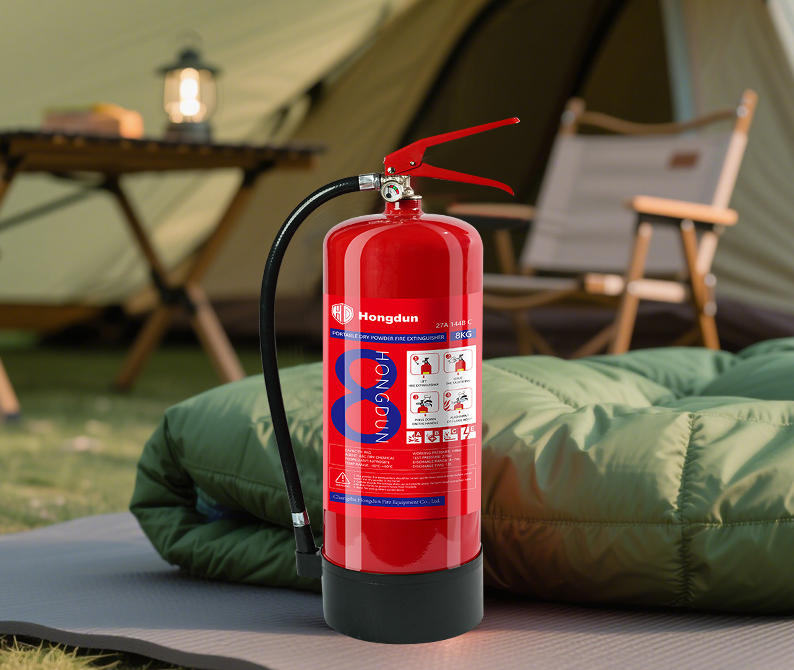
Factors Determining Fire Extinguisher Lifespan
The lifespan of a fire extinguisher depends on its type, manufacturer's specifications, and maintenance frequency. Most modern extinguishers last 5 to 10 years from the date of manufacture. However, the exact lifespan can vary depending on the following factors:
Extinguisher Type:
Water-based extinguishers (such as pressurized water or foam) typically have a lifespan of 5 to 10 years due to their susceptibility to corrosion or chemical decomposition.
Dry powder extinguishers (suitable for Class A, B, and C fires) generally last around 5 years.
Carbon dioxide or clean gas extinguishers (used on electrical fires) have a lifespan of 6 to 10 years due to their lack of reactive chemicals.
Manufacturer Label: Always check the production date (not the purchase date) on the cylinder. Some manufacturers include a test/expiration date label; use that date as the correct date. Environmental factors: High temperatures, humidity, or physical damage can shorten the lifespan of an extinguisher. For example, leaving an extinguisher in a hot trunk for extended periods can reduce its effectiveness.
Signs that a fire extinguisher needs immediate replacement
Even if the extinguisher is still within its stated expiration date, it should be replaced immediately if:
The pressure gauge indicator drops below the green "normal" zone (possibly due to a leak or depleted agent).
The cylinder or valve is rusted, dented, or corroded.
The safety latch or seal is broken, or the hose/nozzle is damaged.
A full discharge (even once) may prevent pressure from being restored by recharging.
Maintenance Tips for Extending Life
Regular maintenance can extend the lifespan of your fire extinguisher and ensure it's always ready for use:
Monthly Inspection:
Check the pressure gauge: green = normal, red = empty, yellow = overpressure.
Confirm the safety latch and seal are intact.
Inspect for rust, dents, or blockages.
Annual Professional Inspection:
Have a certified technician weigh the extinguisher (to check the agent level) and test its functionality.
Refill or repair it as necessary.
Storage Requirements:Store in a cool, dry place, out of direct sunlight.
Secure in a conspicuous location near an exit (within 5-10 meters).
Replace in doubt
If you are unsure of the age or condition of a fire extinguisher, or if it is nearing its expiration date, replace it immediately. The cost of a new extinguisher is far less than the potential damage from a faulty device. A 2kg dry powder fire extinguisher is recommended for families, as it is versatile and economical.
Fire extinguishers are a safe investment, but they require careful maintenance to be effective. By checking the expiration date, performing regular maintenance, and replacing them promptly, you can ensure they will be reliable and effective in an emergency. A properly maintained fire extinguisher is a guarantee of safety, while a neglected one is a useless decoration.


Contact Us
If you have any questions about this Privacy Policy or our practices, please contact us:
Mobile: +86 13975129722
Email: robin@hongdunfire.com
Address: Room 29005, Wanda Building A, Changsha, Hunan, China
Related News
How to Distinguish Manufacturing Defects from Improper Valve Handling
Learn how to identify the real causes of fire extinguisher cylinder neck thread damage. Discover the differences between manufacturing defects, machining issues, transportation factors, and improper valve installation or removal. Includes expert insp

EN3-Certified Fire Extinguishers: Safety Assurance and Technical Analysis Under European Standards
EN3-certified fire extinguishers are at the core of European fire safety standards. This article details the standard system, performance requirements, applicable scenarios, and market value, helping to ensure safety and compliance.

What is the optimal size for a vehicle fire extinguisher?
This article primarily highlights the importance of vehicle fire extinguishers and provides size recommendations for different vehicle models, helping readers better select the appropriate size of car fire extinguisher.

Gas Fire Extinguishers Explained: Principles, Types, and Application Scenarios
Gas fire extinguishers play a key role in data centers, laboratories, power facilities, and other scenarios. This article explains their principles, types, application cases, and selection recommendations.